Planning an adventure trip is one of the most exciting parts of traveling. Whether you’re dreaming of hiking through mountain trails, exploring dense forests, kayaking across crystal-clear lakes, or discovering hidden destinations, proper planning can make the difference between an unforgettable experience and a stressful journey.
In this complete guide, you’ll learn how to plan an adventure trip step by step. From choosing the right destination to packing the right gear and staying safe, this guide covers everything you need to know before your next adventure.
What Is an Adventure Trip?
An adventure trip is any journey that involves outdoor activities, exploration, or physically engaging experiences. Unlike traditional vacations focused on relaxation, adventure travel encourages you to step outside your comfort zone and experience nature, culture, and excitement.
Popular adventure activities include:
- Hiking and trekking
- Camping
- Mountain climbing
- White-water rafting
- Scuba diving
- Wildlife safaris
- Kayaking
- Cycling tours
- Rock climbing
- Snow sports
Adventure trips can be suitable for beginners or experienced travelers, depending on the destination and activities you choose.
Why Planning an Adventure Trip Is Important
Adventure travel often takes you to remote areas where resources may be limited. Good planning helps you:
- Stay safe during your trip
- Manage your travel budget
- Avoid unexpected problems
- Pack the right equipment
- Maximize your travel experience
- Reduce unnecessary stress
A little preparation goes a long way toward creating a memorable adventure.
Step 1: Choose the Right Destination
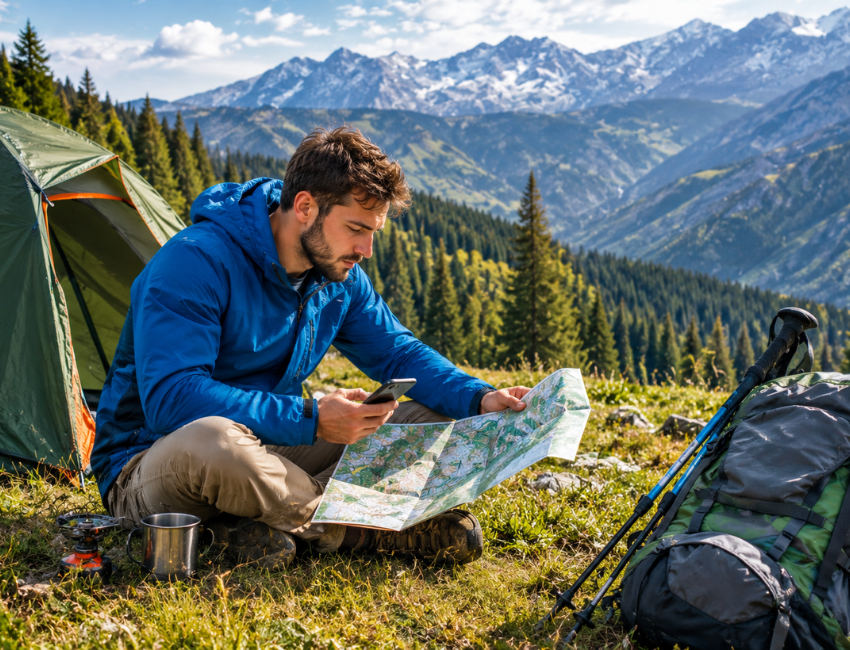
The first step is deciding where you want to go.
Consider these questions:
- What type of adventure do you enjoy?
- How much experience do you have?
- What’s your travel budget?
- How many days can you travel?
- What season is best for your destination?
Great Destinations for Beginners
- Costa Rica
- New Zealand
- Iceland
- Nepal (Easy Trekking Routes)
- Switzerland
- Canada
Choose a destination that matches your fitness level and experience.
Step 2: Set Your Budget
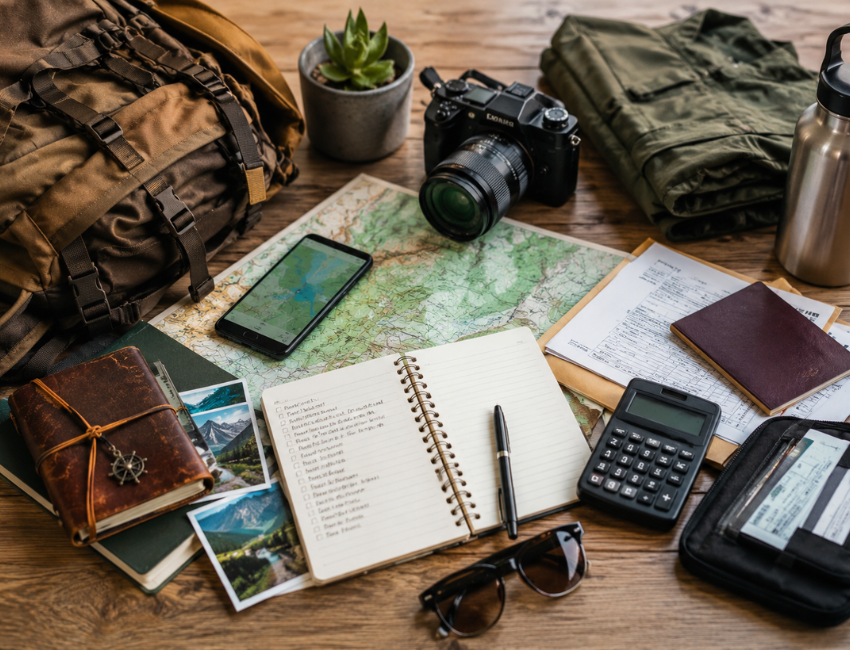
Adventure travel doesn’t have to be expensive.
Your budget should include:
- Flights
- Accommodation
- Transportation
- Food
- Activity fees
- Travel insurance
- Equipment rental
- Emergency expenses
Always keep an emergency fund of around 10–15% of your total budget.
Step 3: Pick the Best Time to Travel
Weather plays a huge role in adventure travel.
Research:
- Rainy season
- Dry season
- Snow conditions
- Temperature
- Local festivals
- Peak tourist season
Traveling during the shoulder season often means fewer crowds and better prices.
Step 4: Book Flights and Accommodation Early
Booking early usually saves money.
For adventure trips, consider staying in:
- Mountain lodges
- Eco-lodges
- Campsites
- Cabins
- Hostels
- Guesthouses
Stay close to the activities you plan to enjoy to reduce travel time.
Step 5: Plan Your Activities
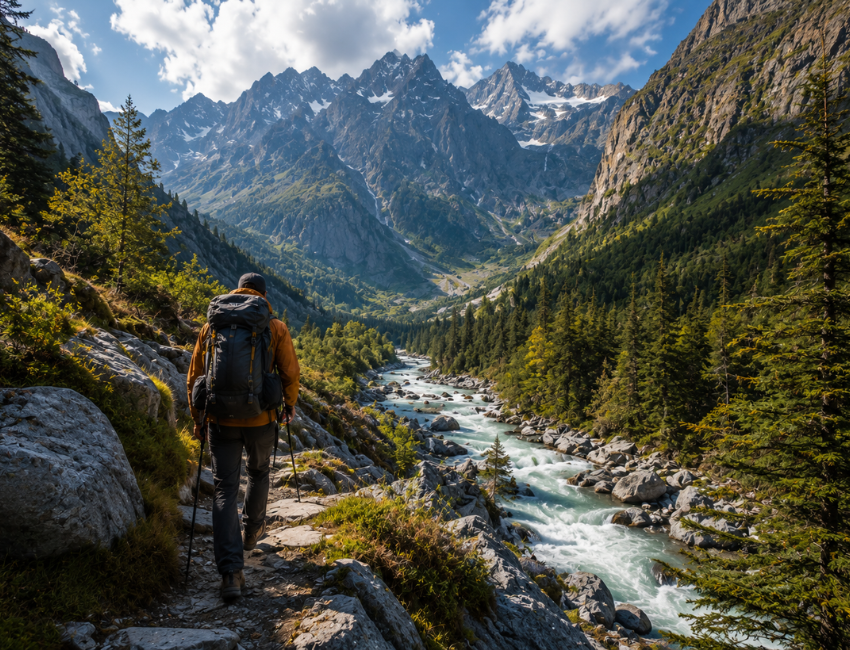
Create a flexible itinerary.
Examples include:
- Hiking
- Camping
- Wildlife watching
- Rafting
- Zip-lining
- Scuba diving
- Rock climbing
- ATV tours
- Kayaking
Avoid overloading your schedule. Leave time for rest and unexpected discoveries.
Step 6: Pack Smart
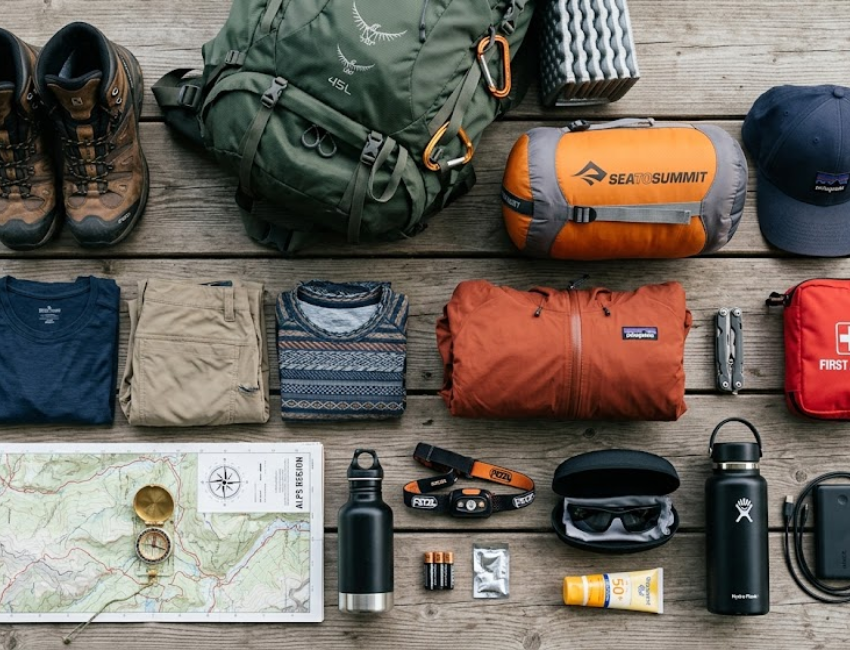
Packing correctly can make your adventure safer and more comfortable.
Essential Packing List
- Comfortable backpack
- Hiking boots
- Lightweight clothing
- Waterproof jacket
- Sleeping bag
- First aid kit
- Reusable water bottle
- Power bank
- Headlamp
- Sunscreen
- Sunglasses
- Insect repellent
- Snacks
- Multi-tool (where permitted)
- Navigation app or offline maps
Pack light but never skip safety essentials.
Step 7: Buy Travel Insurance
Adventure activities carry additional risks.
Choose travel insurance that covers:
- Emergency medical treatment
- Adventure sports
- Trip cancellation
- Lost luggage
- Emergency evacuation
Always read the policy carefully before purchasing.
Step 8: Stay Safe During Your Adventure
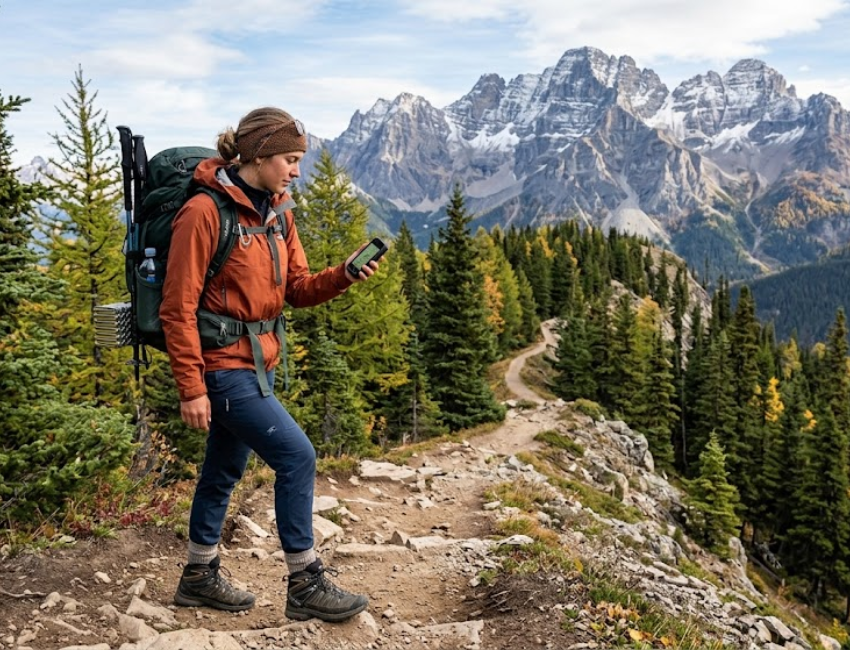
Safety should always come first.
Helpful safety tips:
- Tell someone your travel plans.
- Check weather forecasts daily.
- Follow local rules.
- Stay on marked trails.
- Carry enough water.
- Learn basic first aid.
- Keep emergency contacts accessible.
- Respect wildlife and nature.
Preparation greatly reduces the risk of accidents.
Step 9: Respect Nature
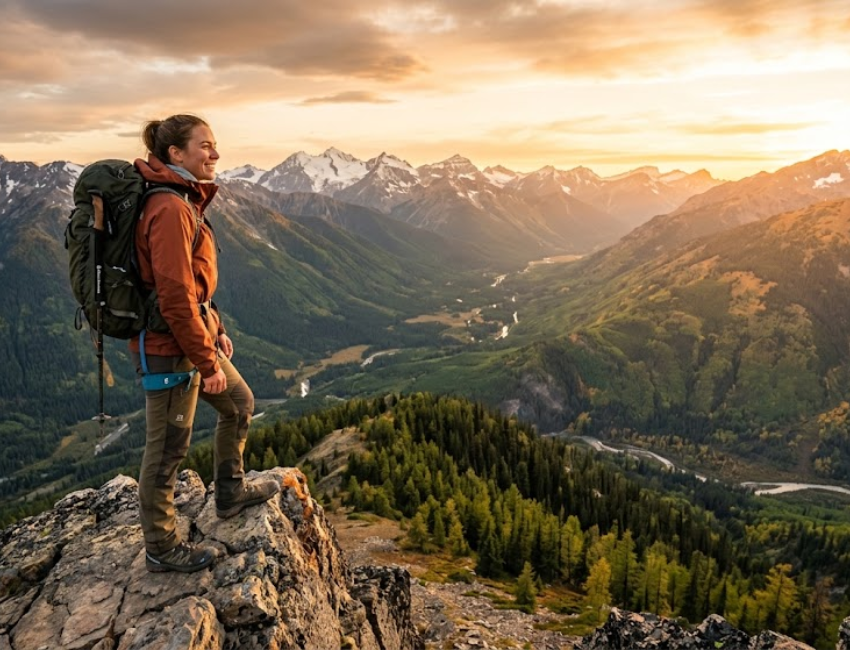
Responsible adventure travelers help preserve destinations for future generations.
Follow these simple principles:
- Leave no trace.
- Avoid littering.
- Stay on designated trails.
- Support local communities.
- Reduce plastic waste.
- Respect wildlife habitats.
Sustainable travel benefits both travelers and the environment.
Common Mistakes to Avoid
Many first-time travelers make these mistakes:
- Choosing destinations beyond their skill level
- Ignoring weather forecasts
- Packing too much
- Forgetting travel insurance
- Not carrying enough water
- Overplanning every hour
- Wearing inappropriate footwear
- Underestimating physical fitness requirements
Learning from these common mistakes will make your trip smoother and more enjoyable.
Frequently Asked Questions
How do I plan my first adventure trip?
Start with an easy destination, create a realistic budget, pack the right gear, book accommodations in advance, and plan activities that match your experience level.
What should I pack for an adventure trip?
Essentials include hiking boots, weather-appropriate clothing, a first aid kit, a reusable water bottle, navigation tools, sunscreen, and emergency supplies.
Is adventure travel safe?
Yes, adventure travel can be very safe when you prepare properly, follow local guidelines, and use appropriate equipment.
How much does an adventure trip cost?
Costs vary depending on the destination, activities, and travel style. Budget-friendly trips can be planned for a few hundred dollars, while luxury adventure vacations may cost several thousand.
Final Thoughts
Learning how to plan an adventure trip is the first step toward creating unforgettable memories. By choosing the right destination, setting a realistic budget, preparing the proper gear, and prioritizing safety, you’ll be ready to explore the world with confidence.
Adventure travel isn’t just about reaching a destination—it’s about embracing new experiences, challenging yourself, and discovering places that inspire you. With careful planning, every journey becomes an opportunity to learn, grow, and create stories you’ll remember for years to come.
Start planning today, and your next great adventure could be closer than you think.